The Sanskaari Woman vs. The Modern Womans Underrepresentation and Misrepresentation in Bollywood
Introduction
Bollywood, one of the largest film industries in the world, has long shaped societal perceptions, particularly regarding gender roles. A recurring and problematic stereotype is the stark contrast between the “Sanskaari Woman” (the traditionally ideal woman) and the “Modern Woman” (often depicted as rebellious or morally corrupt). This rigid binary reinforces outdated gender norms, limiting the diversity of female representation on screen and influencing real-world perceptions of women’s roles in society.
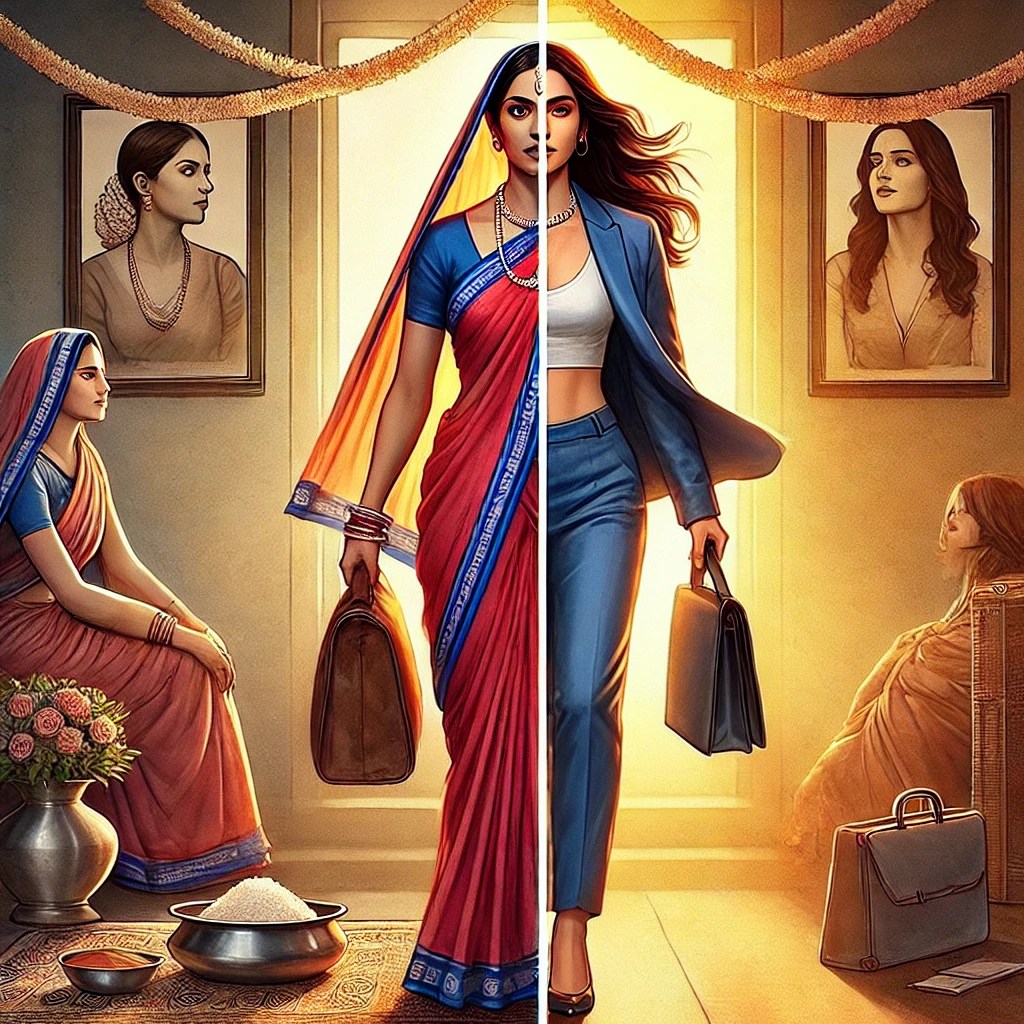
The impact of these portrayals extends beyond the silver screen. When Bollywood constantly glorifies the self-sacrificing, sari-clad woman while villainizing the independent, career-oriented one, it reinforces gendered expectations that restrict women’s autonomy. In a world striving for gender equity, it’s crucial to examine how these stereotypes contribute to underrepresentation and misrepresentation, shaping cultural attitudes and social justice issues at large.
Critical Analysis of the Issue
The “Sanskaari Woman” vs. The “Modern Woman” group
We’ve all seen this group play out in Bollywood the woman who adheres to cultural traditions is celebrated, while the one who strays from these norms is met with resistance. The “good woman” is nurturing, obedient, and family-oriented, while the “modern woman” often characterized by her independence, ambition, or Westernized fashion is portrayed as selfish or morally ambiguous.
Take Kabir Singh (2019), for example. Preeti, the female lead, is the embodiment of submissiveness, which is presented as desirable.
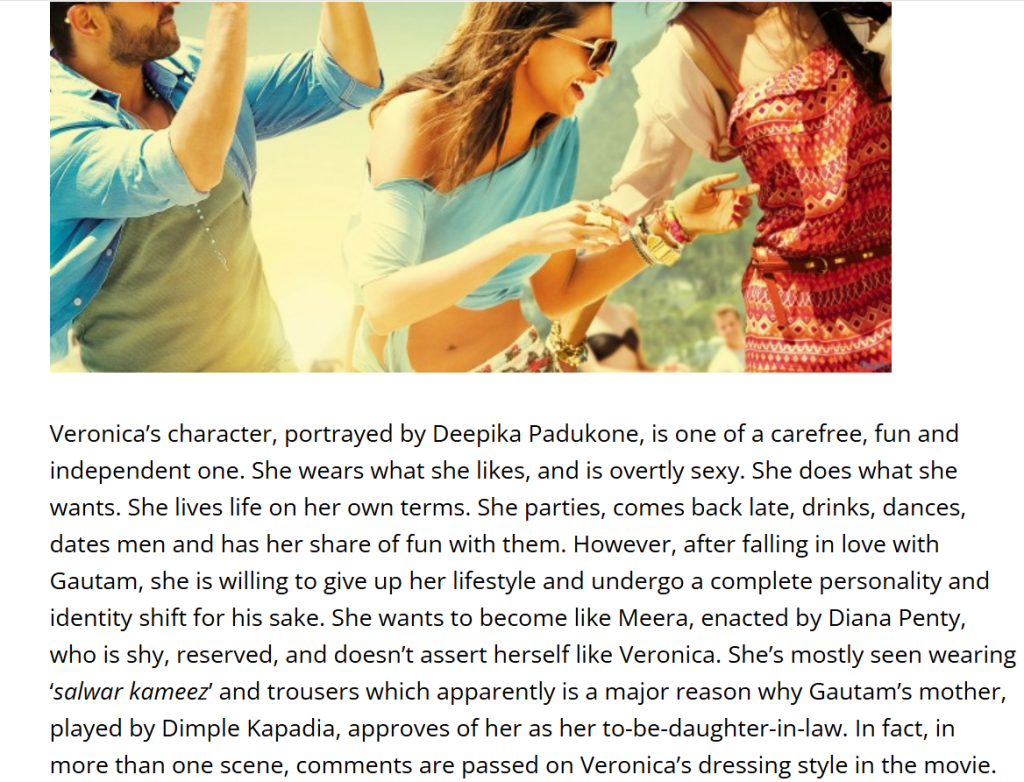
Meanwhile, assertive women in Bollywood, like Veronica in Cocktail (2012), are often “tamed” by the end of the film, subtly implying that a modern woman must ultimately conform to traditional values to be truly accepted.
Underrepresentation in Bollywood

The underrepresentation of diverse female narratives in Bollywood creates a warped perception of reality. Women in Bollywood films occupy only 25% of significant speaking roles (Basu, 2020), which is alarmingly low compared to male counterparts. Furthermore, strong, independent women—single mothers, career-driven women, or outspoken feminists are rarely the protagonists, and when they do appear, they are often side characters whose arcs revolve around their relationships with men rather than their own growth.
The limited scope of female representation is especially evident in action and thriller genres, where women are largely absent or exist solely as love interests. Even when Bollywood attempts to portray “strong” women, they often fall into stereotypes like the emotionally cold career woman who must be “softened” by love, reinforcing the idea that professional ambition is inherently at odds with femininity.
Misrepresentation and Its Social Impact
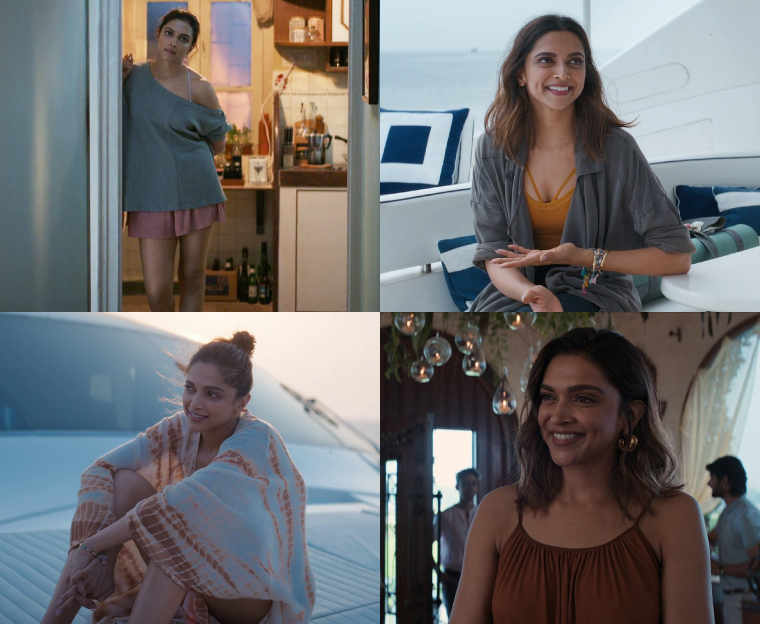
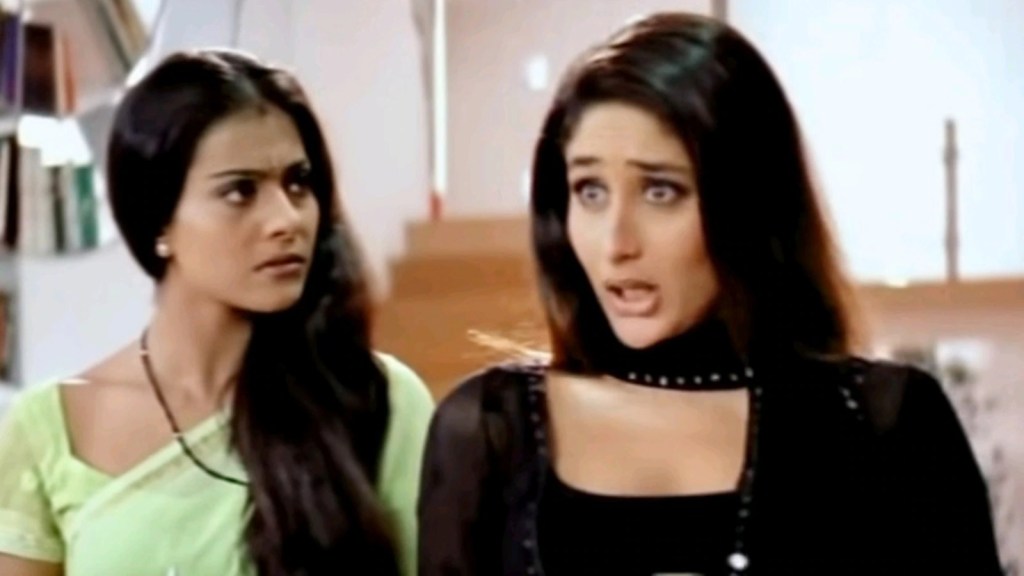
Misrepresentation in Bollywood extends beyond underrepresentation—it actively distorts the image of modern women. The “modern woman” in Bollywood is often equated with promiscuity, arrogance, or a lack of family values. Pooja (“Poo”) in Kabhi Khushi Kabhie Gham (2001) and Alisha in Gehraiyaan (2022) are prime examples—both are ambitious, independent women who are framed as emotionally unfulfilled or self-destructive.
This kind of misrepresentation has real-world consequences. A study by Sarkar (2021) found that 78% of young women in India feel pressured to conform to traditional roles due to media portrayals. This societal policing of women’s choices how they dress, behave, or pursue their careers is largely fueled by the way they are depicted in mainstream cinema. When films consistently suggest that a woman’s worth is tied to her ability to uphold traditional ideals, it reinforces gender discrimination in workplaces, homes, and public spaces.
Innovative Solutions
Diversifying Female Representation
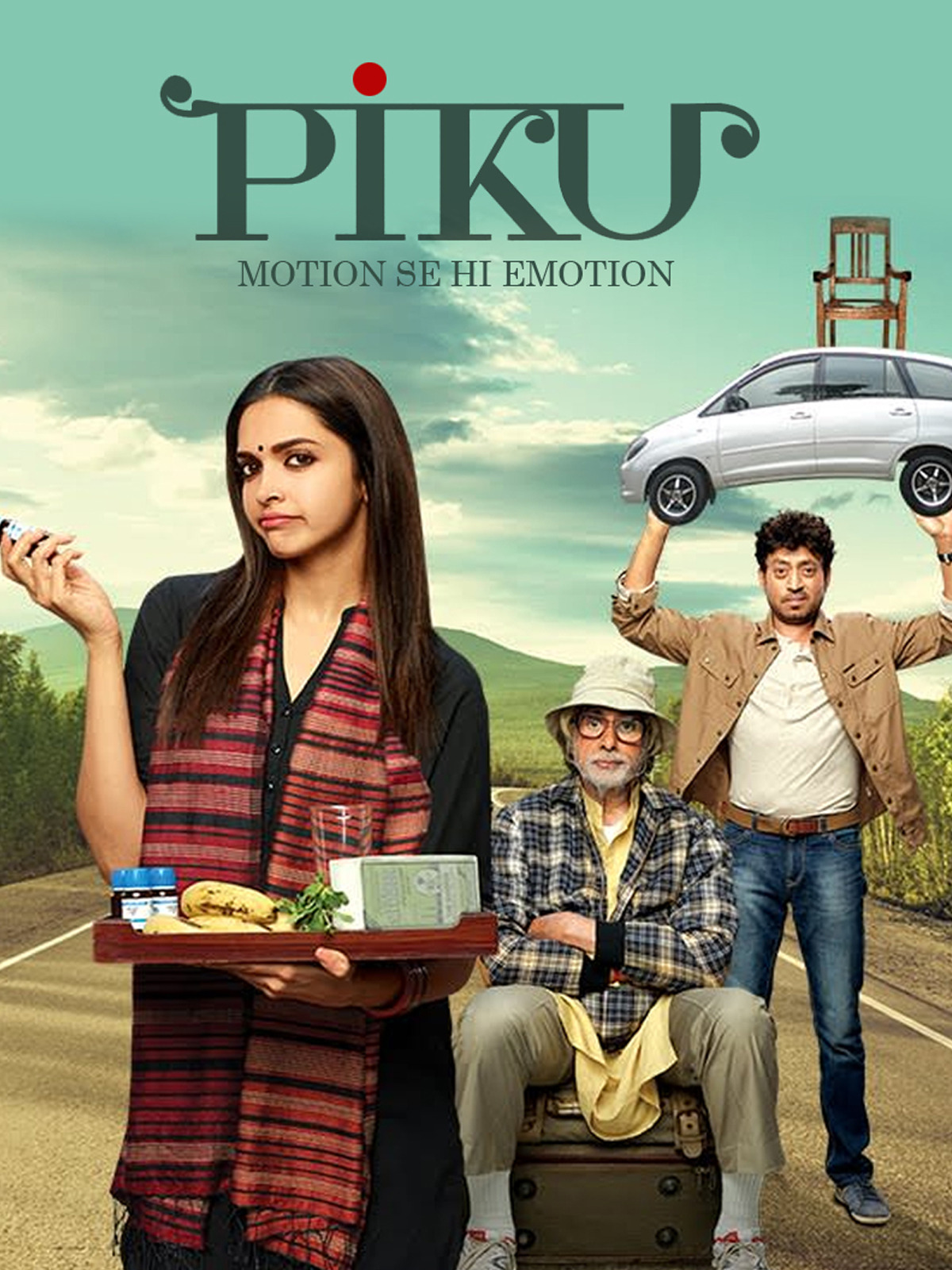
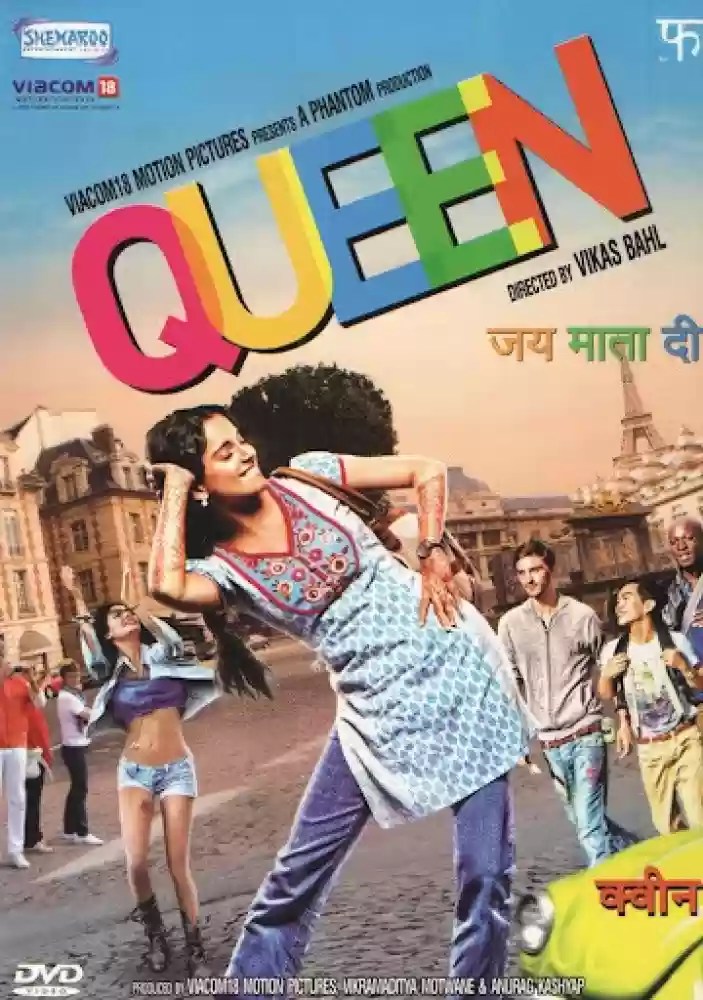
It’s time for Bollywood to break free from its outdated portrayal of women and offer more diverse, multidimensional female characters. Films like Piku (2015) and Queen (2014) have already proven that audiences appreciate strong, independent female leads who are not defined by their relationships. Expanding narratives to include women from different walks of life whether they are entrepreneurs, single mothers, etc. they can help dismantle the restrictive “Sanskaari vs. Modern” group.
Encouraging Women Behind the Camera
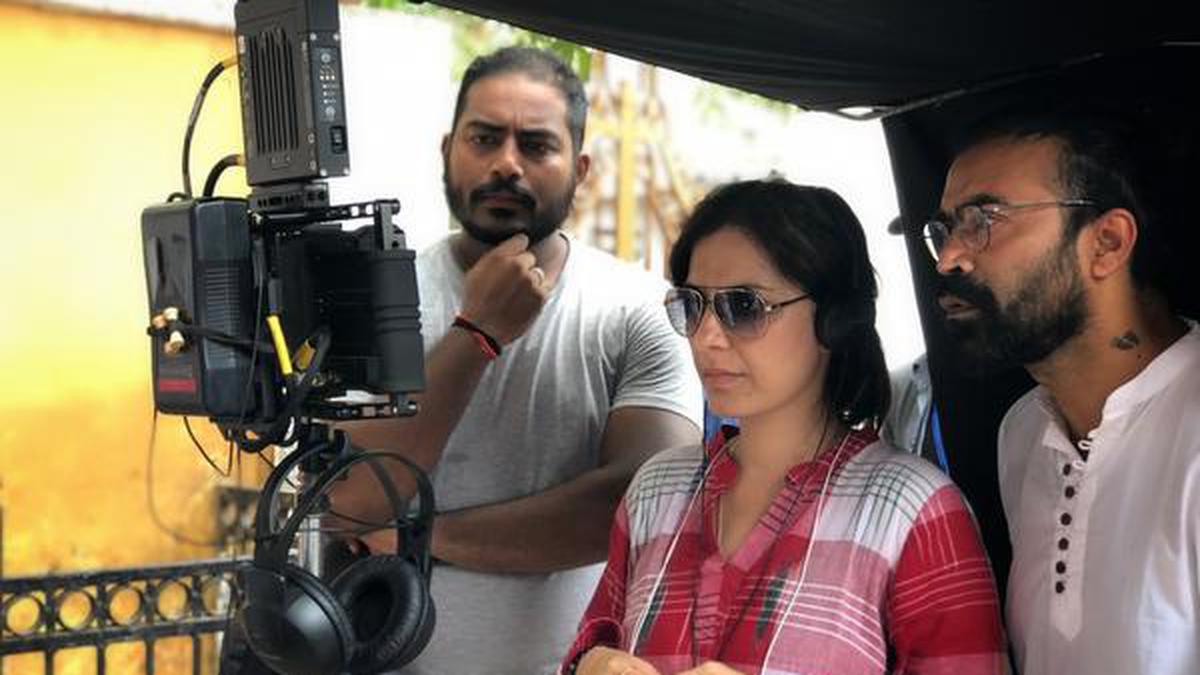
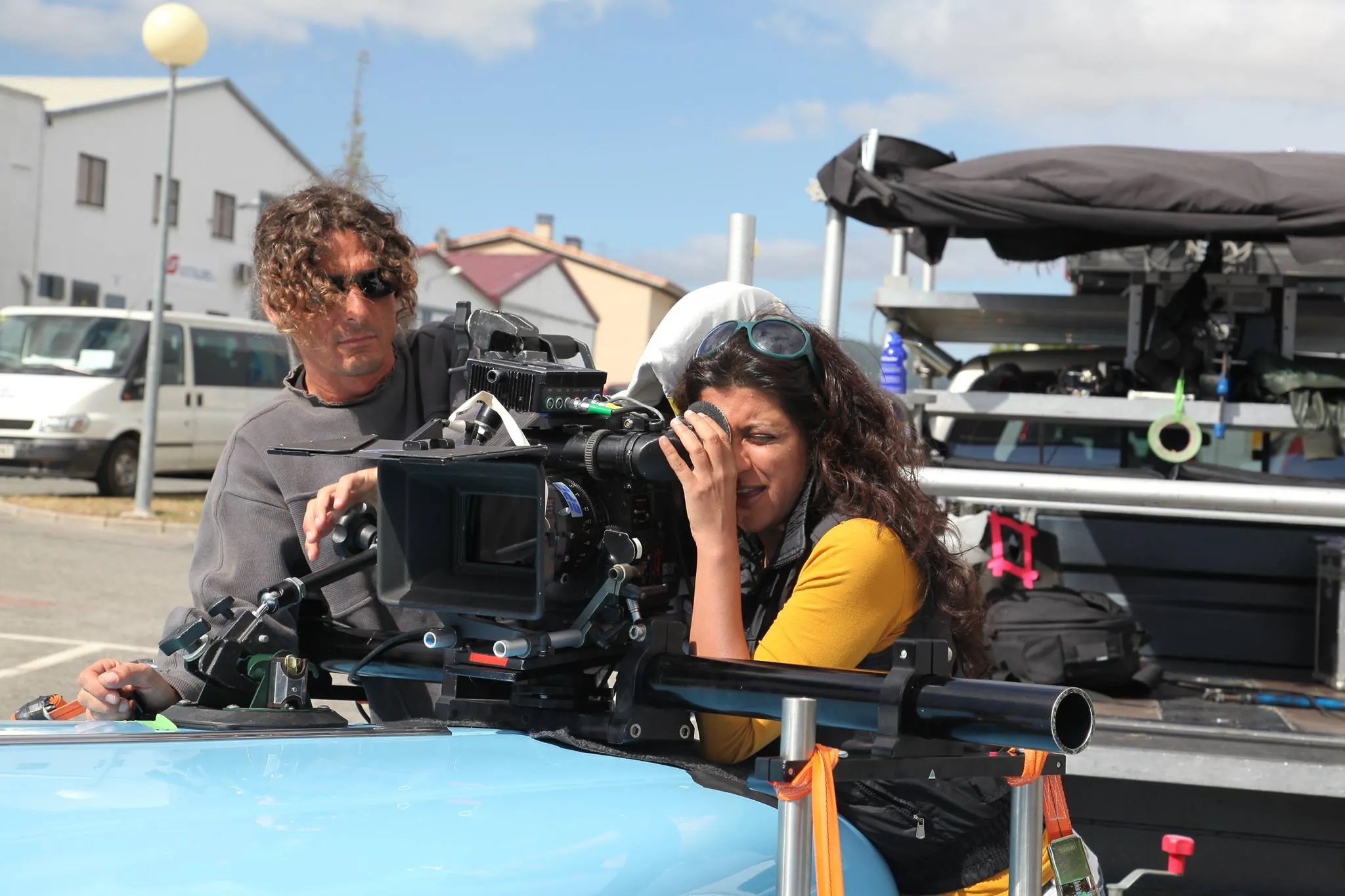
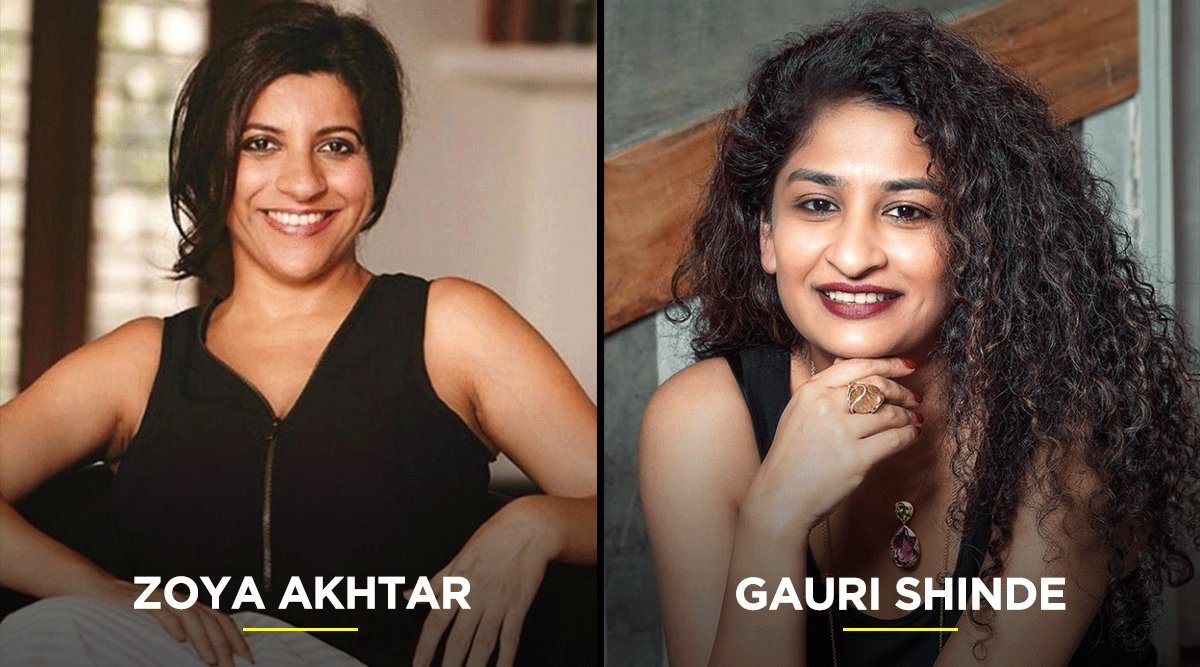
A significant way to combat misrepresentation is by increasing female participation behind the scenes. Research by Chatterjee (2022) shows that films directed by women in Bollywood depict female characters with greater agency and complexity than those directed by men. When more women take on roles as directors, screenwriters, and producers, they can challenge the male gaze and offer more authentic portrayals of female experiences.
Media Literacy and Audience Awareness
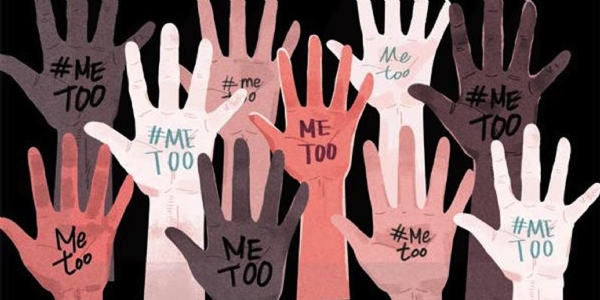
Viewers also play a critical role in reshaping gender narratives in Bollywood. Social media movements like #MeToo and #BollywoodForChange have already sparked conversations about gender bias in Indian cinema. Encouraging media literacy through discussions, film critiques, and online activism can push filmmakers to be more accountable for their portrayals of women.
Conclusion
The portrayal of women in Bollywood as either the “Sanskaari Woman” or the “Modern Woman” is not just a storytelling choice its a reflection of deep-rooted societal biases that need to be challenged. These depictions contribute to both underrepresentation and misrepresentation, shaping how women are perceived and treated in real life.
By diversifying female characters, increasing women’s representation in filmmaking, and fostering critical discussions about gender bias in media, Bollywood can move toward a more inclusive and empowering portrayal of women. It’s time for Indian cinema to stop defining women by how well they fit into traditional molds and start celebrating them for who they truly are.
References
- Basu, A. (2020). Gender Roles in Indian Cinema: A Study of Representation in Bollywood Films. Journal of Media Studies, 15(3), 45-62.
- Bassi, Dr.V.S. (2018). STEREOTYPING WOMEN IN INDIAN CINEMA. Scholarly Research Journal for Interdisciplinary Studies, 5(43). doi:https://doi.org/10.21922/srjis.v5i43.11253.
- BHRUGUBANDA, U.M., 2020. THE# METOO MOVEMENT IN THE INDIAN FILM INDUSTRIES. India International Centre Quarterly, 47(3/4), pp.143-154.
- Chatterjee, M. (2022). Women Behind the Camera: The Impact of Female Filmmakers on Gender Representation in Bollywood. Indian Journal of Film Studies, 27(1), 88-101.
- Rane, S. and Chowdhary, S.R., UNVEILING THE MALE GAZE IN BOLLYWOOD MOVIES: DECONSTRUCTING OBJECTIFICATION AND STEREOTYPING IN HINDI CINEMA.
- Sarkar, R. (2021). Media Influence on Gender Perceptions Among Indian Youth. Social Change and Media Journal, 19(4), 112-134.
 making media