A narrative reflection on disruption, digital identity and professional growth
BCM313
“Sometimes change doesn’t knock, It walks in quietly, sits down in your life and refuses to leave until you grow from it.”
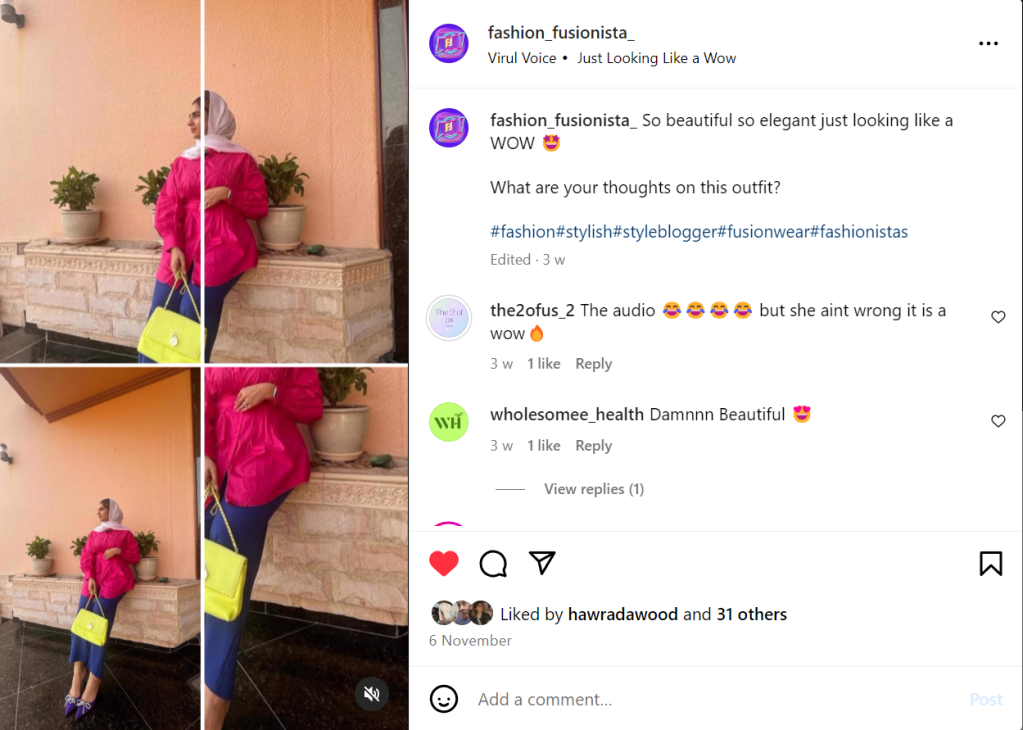
I didn’t begin as a content creator. I didn’t even plan to become one. My journey into digital media started as a simple university assignment in BCM114 – Introduction to Digital Communication during the start of my major in 2023. At the time, I had no strategy, no creative direction and no confidence in front of a camera. I created an Instagram page for the assignment and called it “Fashion Fusion”, and told myself I would delete it once I passed.
I still remember recording my first video – shaky hands, basic camera angles, zero editing knowledge. I filmed using my phone against a white wall because I didn’t own any equipment. The hardest part wasn’t filming, it was posting. The moment I clicked “publish,” I felt exposed to judgment, opinions and silence. But that small moment taught me something important: growth begins when comfort ends.

Surprisingly, I didn’t delete the page after the assignment. Something in me wanted to continue. Content creation became a space to explore creativity beyond assessment briefs. I began posting simple fashion videos, styling ideas, colour matching, and modest fashion. It was safe & predictable, but eventually I realised I wasn’t connecting with anyone on a personal level.
.
The Shift from Posting to Purpose
Out of curiosity, one day I posted a simple question
“What color combination do you prefer?”
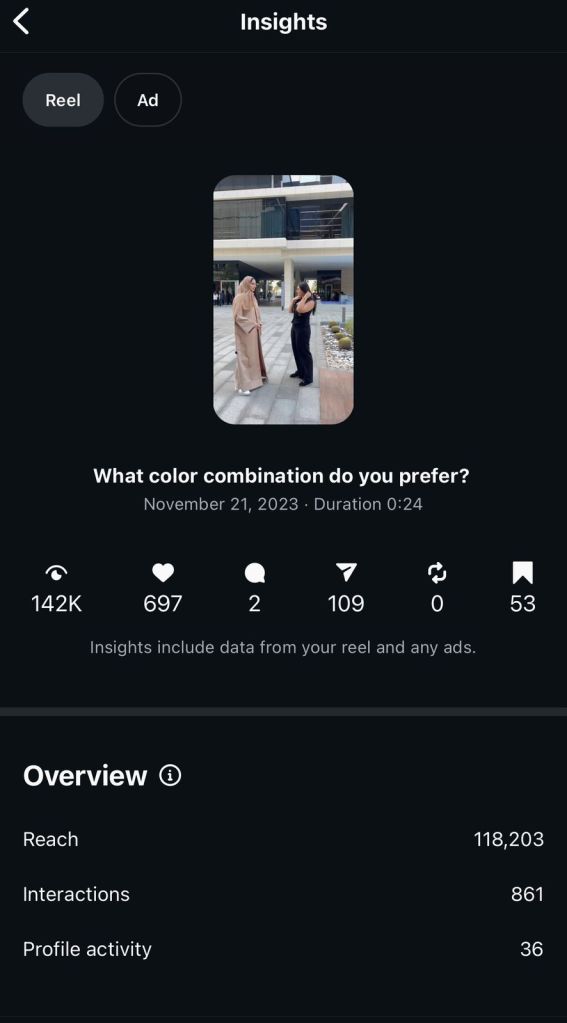
That one video changed everything. People didn’t just watch, they interacted and commented. I realised something powerful people don’t connect only to visuals, they connect to conversations. That is when I shifted my entire content direction from fashion to relatable, student-centered content.
I started posting interactive Q&A style reels for students’ questions, dilemmas, social topics, and perspectives. That format quickly became my signature style. My page transformed naturally as I realised I enjoyed listening to people’s thoughts and building conversations. The more I leaned into that style, the more my content made sense not only to others, but to me.
The page I once opened for an assignment evolved into @succhini_dxb a growing student community built through simple, real conversations. My content no longer felt like “content” it began to feel like a purpose.
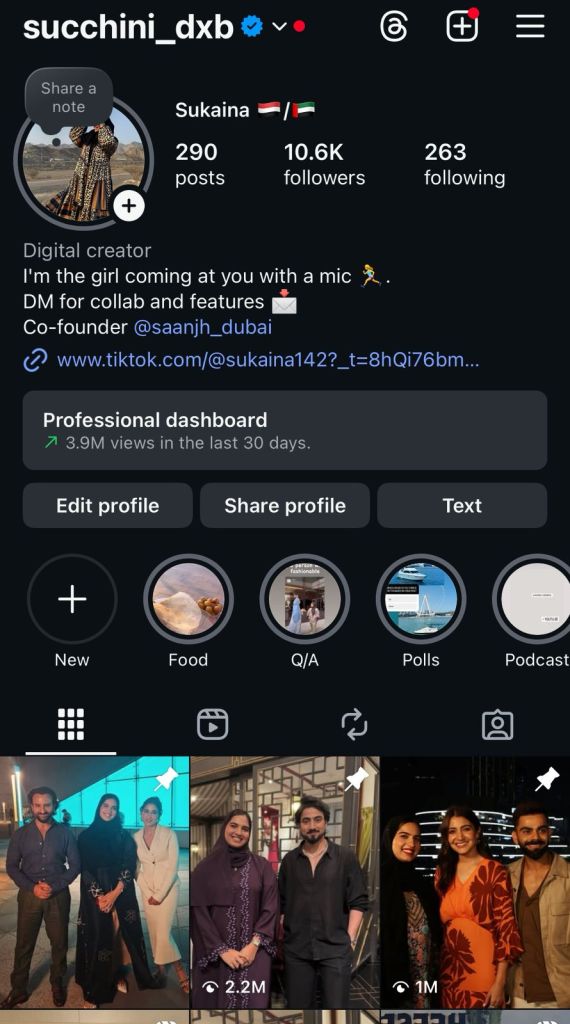
But behind the content, there is effort that people never see. I was now a creator, but I was also still a student, a daughter, a friend, and a person trying to balance daily life.
As my page grew, so did my responsibilities. I took on leadership roles in ‘The Creators Society’, starting as a social media executive and growing into Head of Media, then Vice President and finally President, leading a team of over twenty members. Suddenly I was juggling content creation alongside university assignments, event planning, budgets, approvals, meetings, logistics and time pressure.
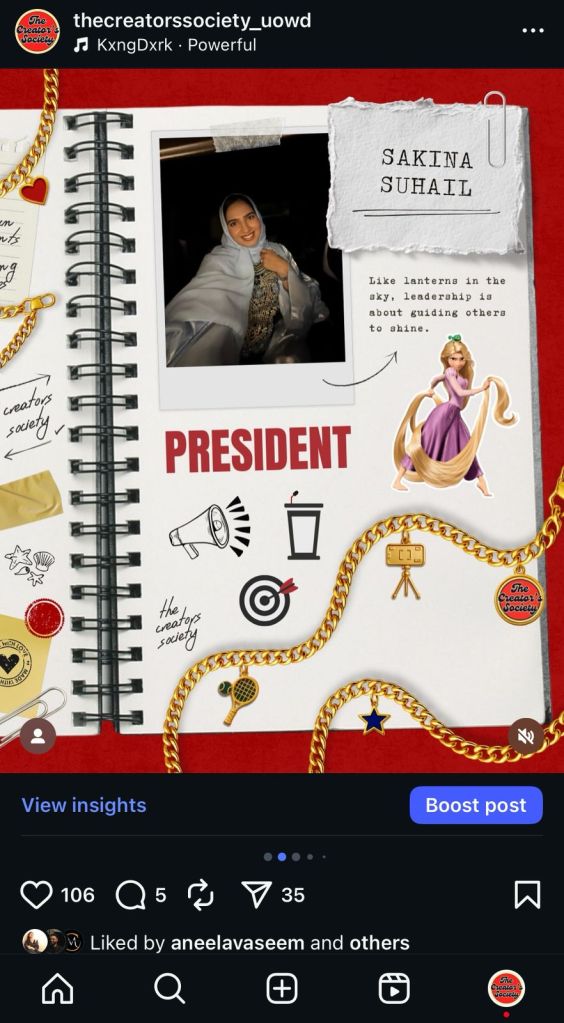
People saw the reels, but they didn’t see the late-night editing, the scheduling, the strategic planning, or the creativity it demanded. Consistency became harder. Ideas became harder. Time became tighter. But even when it got difficult, I didn’t step back. I stepped forward.
What I didn’t realise at the beginning was that this journey was not just about creating content, it was shaping who I was becoming. At first, I saw content creation as something external, something separate from me. But over time, I began to understand that it was also building my character, discipline, and identity.
I later learned in BCM313 that this process has a name narrative self-development. We don’t just tell stories; our stories shape who we are. My content wasn’t random. It was an expression of the values I didn’t even know I had yet: growth, consistency, honesty, creativity, and responsibility.
Making Meaning Through Experience
In the early days, I faced a lot of self-doubt. I worried about what people would think or if my content wasn’t “good enough.” At that time, I thought fear was holding me back. But reflecting now, I understand what Carey, Walther and Russell (2009) call the absent but implicit idea that behind every fear is a hidden value. I was afraid because I cared. I wanted my work to be meaningful. I wanted to create something real.
Even when no one knew it, I was learning powerful lessons:
When I struggled to stay consistent, I discovered discipline.
When I had to defend my vision, I discovered courage.
When I received criticism, I learned resilience.
When people trusted me with their stories through Q&A content, I learned empathy.
When I built engagement from nothing, I learned communication and strategy.
This wasn’t just “content creation” it was identity construction. I was unknowingly building my professional foundation.
Growth Through Relationships
My journey was not alone. As my community grew, I realised that people weren’t following me just for entertainment, they followed because they could see themselves in my content. That connection became my biggest motivation.
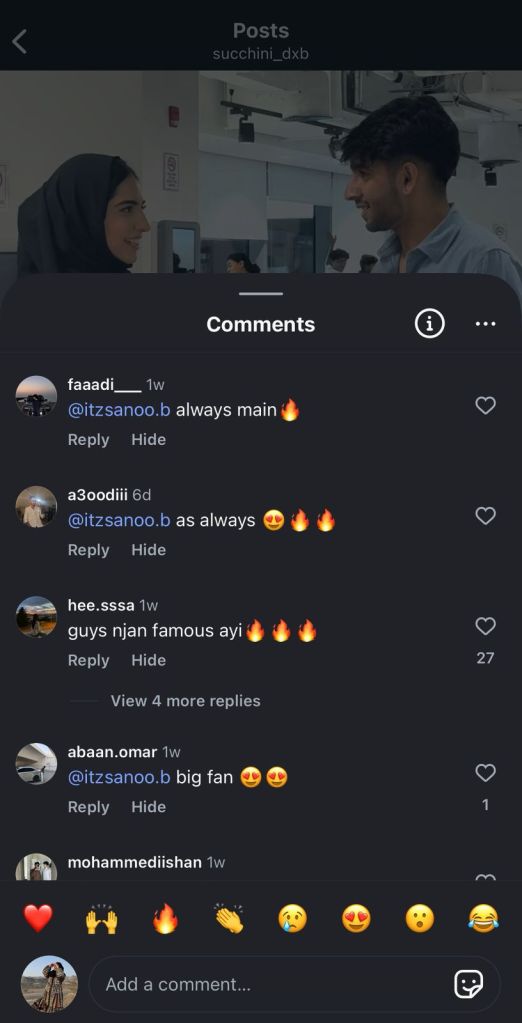
In narrative practice, Russell and Carey (2002) describe re-membering as a process where we recognise the people who shape our identity. When I reflect on my journey, I know I would not be where I am without:
- The people who interacted with my content early and gave me momentum.
- My growing online community who encouraged me to keep going.
- Members of The Creators Society who believed in my leadership
- My friends and supporters who pushed me to stay consistent even during burnout
These people became part of my story; what Russell and Carey call ‘my membership of identity’. They reminded me that we don’t succeed alone; we grow through the people who walk with us.
Real Work Behind The Screen
As my personal platform grew, my responsibilities grew even faster. I wasn’t just a student anymore I was:

A creator publishing consistent content.

A leader managing teams and events

A strategist planning engagement.

A brand voice collaborating with local businesses.

A community builder who used media to connect people
It wasn’t easy. Balancing university, content and life took everything out of me. But even during pressure, I knew one thing:
Purpose keeps you going when motivation disappears.
This journey taught me more than any textbook could. It taught me real-world digital communication, self-management and professional resilience.
Building My Professional Path
This journey did more than help me grow personally it guided my professional direction. Through content creation, I developed real skills that connect directly to digital media careers: scripting, editing, visual communication, branding, audience engagement, and social media analytics. Leading The Creators Society also taught me strategy, campaign planning, event marketing and digital leadership. These are not just skills for social media; these are professional capabilities for the modern media industry.
Content creation began as an experiment, but it turned into a career path one built through experience instead of expectation. I discovered that I thrive in creativity, but I also enjoy strategy and purpose behind content. That is why I now see myself building a future in creative media, content strategy, and digital marketing. Not just posting, but building narratives that connect people.
Narrative theory helped me see why this path matters. Stories are not only ways of communicating they shape identity. That means what we choose to create is also part of who we choose to become. Through reflection, I can now name the values my journey revealed: creativity, commitment, responsibility, community and growth. These values now guide my work.
Conclusion
Looking back, what began as a simple assignment in BCM114 became a journey of identity, disruption and transformation. My story shows that change doesn’t always begin with a plan it sometimes begins with a decision. A post. A risk. A moment of courage.
Growth doesn’t arrive fully formed. It builds through reflection, persistence and purpose.
I didn’t expect to find my voice in the digital space, but I did. And now, I understand that my story as a creator is not separate from my professional future, it is the foundation of it.
Reference
Carey, M., Walther, S. and Russell, S., 2009. The absent but implicit: A map to support therapeutic enquiry. Family Process, 48(3), pp.319-331.
Bruner, J., 1990. Acts of meaning: Four lectures on mind and culture (Vol. 3). Harvard university press.
Russell, S. and Carey, M., 2002. Re-membering: Responding to commonly asked questions. International Journal of Narrative Therapy & Community Work, 2002(3), pp.23-31.
White, M., 2024. Maps of narrative practice. WW Norton & Company.
University of Wollongong Dubai, 2025. BCM313 Week 3 Lecture Slides – Storytelling, Reflecting & Teamwork. UOWD.
 making media