Reflective Blog BCM 313
When I first heard about this assignment, I imagined it would be another structured project one interview, some analysis, and a tidy conclusion. But what unfolded was something much more personal. My interview with Mr. Badr Ali Habib, Regional Director at Dubai Economy and Tourism, helped me rethink what it means to lead, to grow, and to listen with purpose.
I didn’t just learn about his story, I began to rewrite mine.
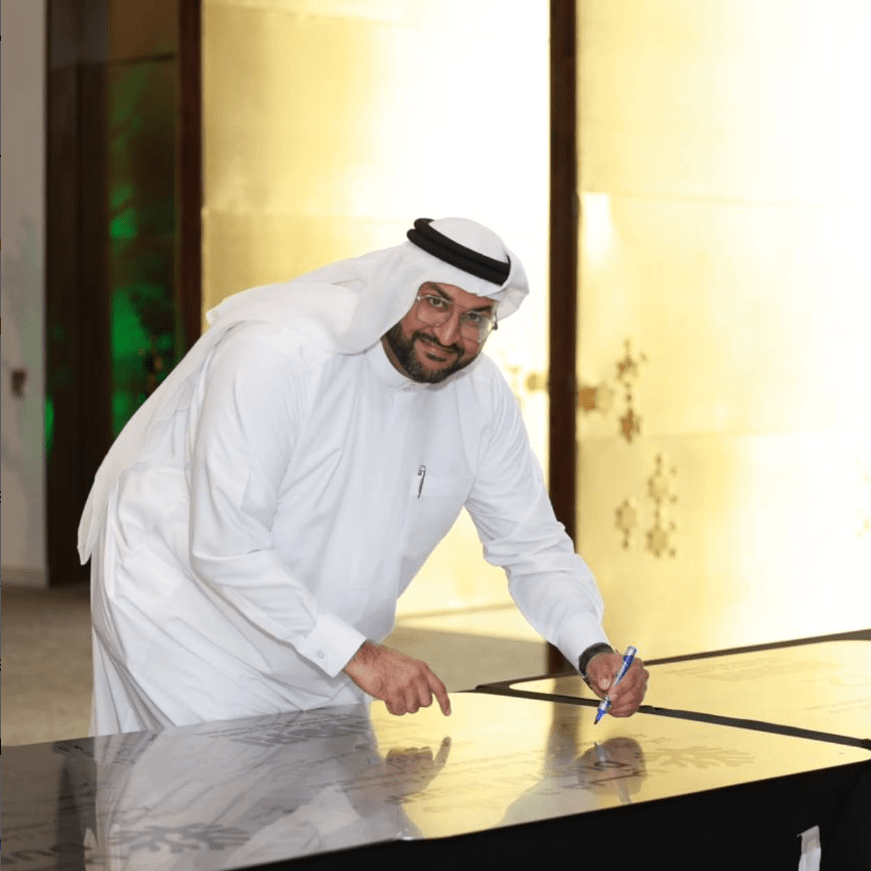
What I Observed: Leadership Without Noise
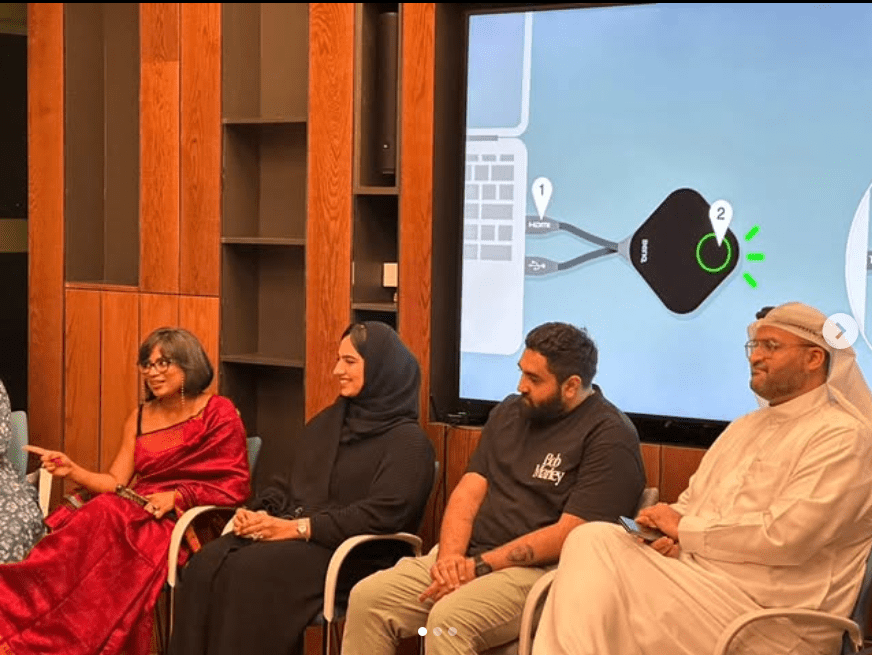
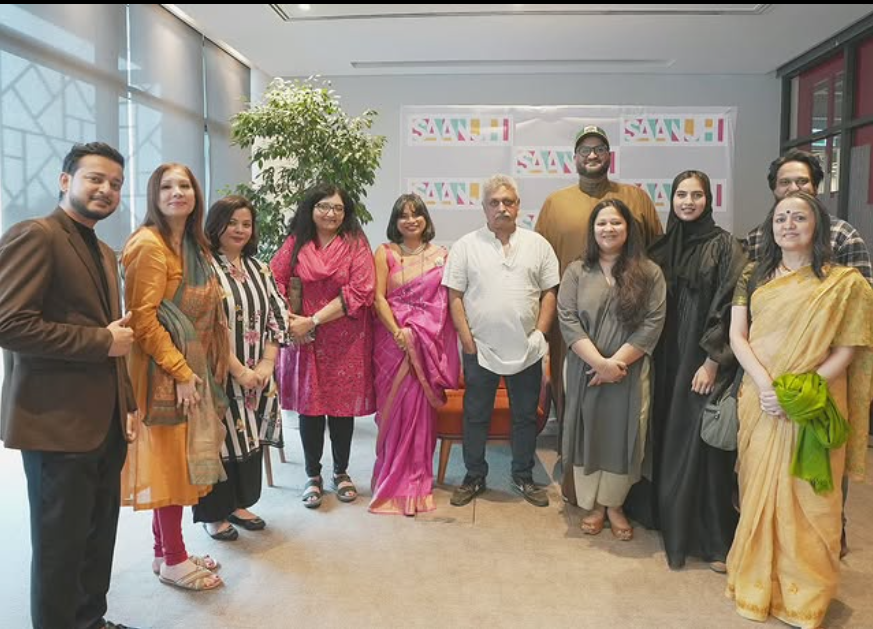
I met Mr. Badr through SAANJH, a cultural storytelling initiative in Dubai where we collaborate on creative community projects. During our conversation, one line stayed with me:
Leadership without ego.
That single phrase changed how I see professionalism. I’ve always believed that confidence means being visible, showing energy, speaking up, and taking charge. But his calm, grounded approach reminded me that real influence doesn’t need volume. It’s about awareness, empathy, and consistency.
In class, I also found inspiration from how Michael and Nagin facilitated questions during our lecture activity. The way they asked follow-up questions listening deeply and creating space for real reflection, made me realize that interviewing is not about control; it’s about curiosity. I applied that same approach when I spoke with Mr. Badr, allowing the conversation to flow naturally instead of following a rigid list of questions.
Listening through the lens of Michael White’s (2007) concept of the absent-but-implicit, I began noticing how the unsaid carried meaning. When Mr. Badr described pushing through discomfort to learn data analytics, I heard values of discipline and resilience that reflected my own struggles as a student creator often working behind the scenes, learning quietly, and growing through persistence rather than perfection.
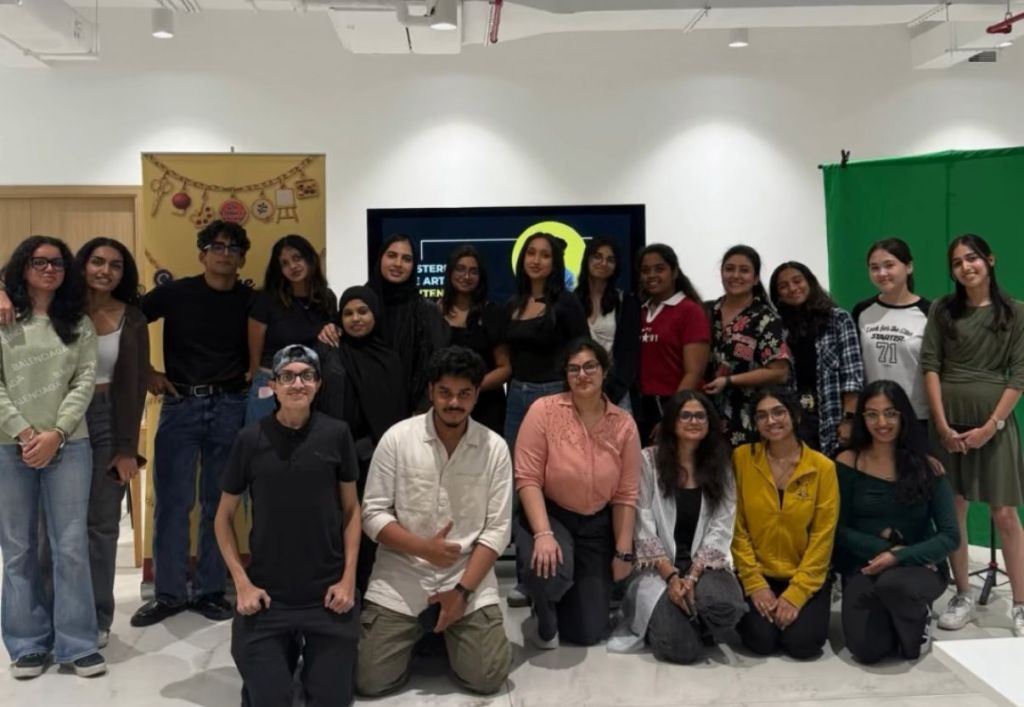
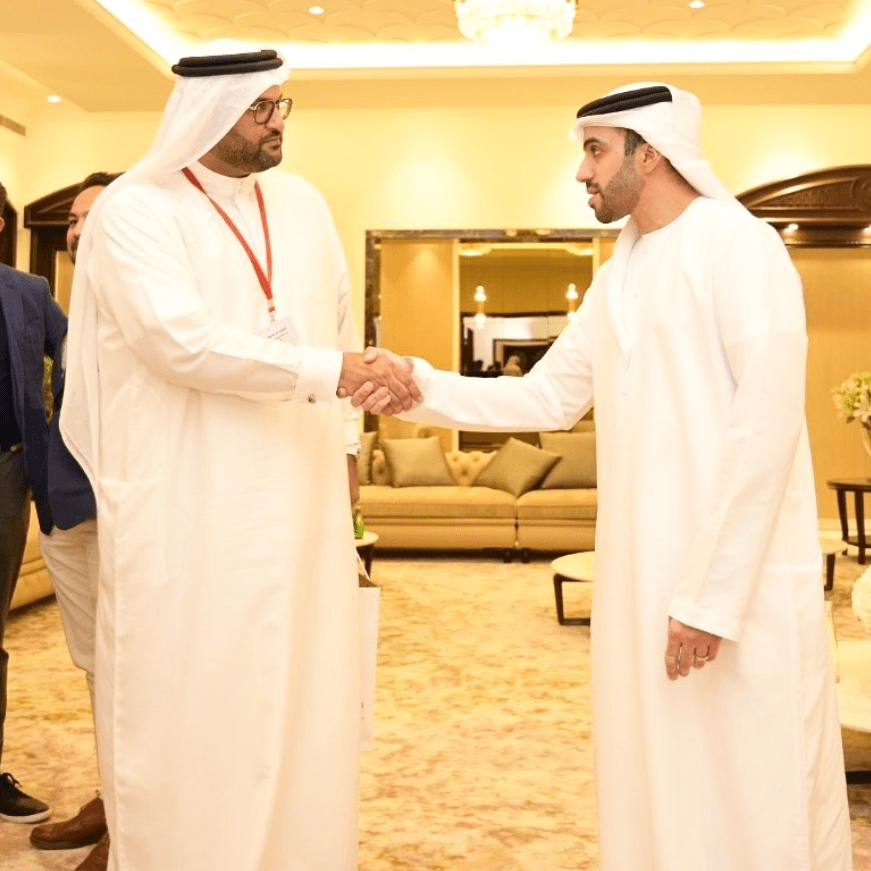
What I Learned: Growth Is Collective
One of the most powerful aspects of our discussion was the topic of influence. Mr. Badr spoke about his father’s advice “Give your 100 percent every day.” It made me reflect on how my own circle shapes who I am becoming.
Narrative theorists White and Epston (1990) call this re-membering: the idea that our identities are built through the people who guide and inspire us. When I think of my “membership club,” it includes my professors who challenge me, my peers in The Creators Society who push me to take initiative, and my community through SAANJH that reminds me creativity can serve culture.
This realization helped me see growth as something collective not just about “me improving,” but about learning alongside others, through their stories, advice, and presence. Even the way Michelle led our class discussion became part of that club showing me that learning doesn’t only happen through results, but through moments of shared curiosity
Applying It to My Future Work
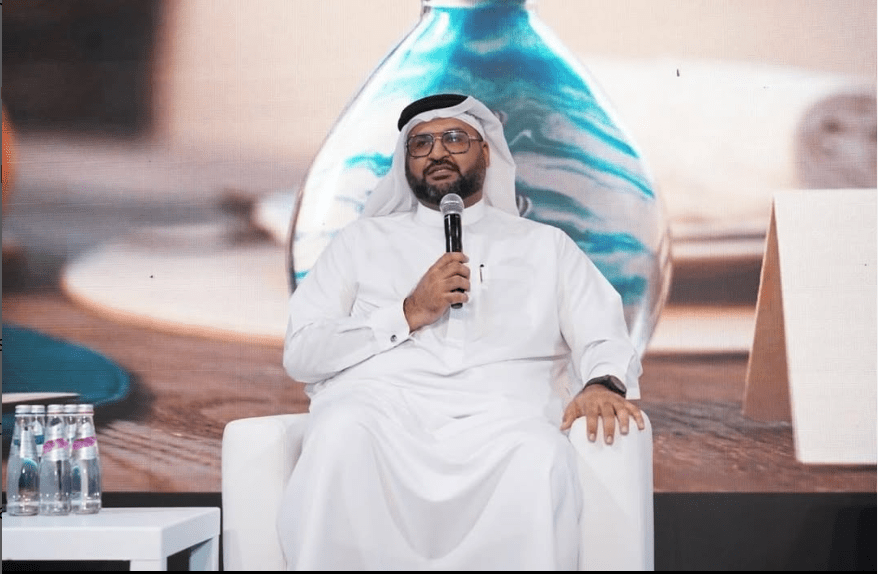
In our discussion about the future of work, Mr. Badr said something that felt both simple and powerful:
AI will change what we do, but it won’t change who we are.
That statement grounded me. I’ve often felt anxious about keeping up with technology, but I realized that what makes my career path media and communication meaningful is not the software I use, but the human connection I create through storytelling.
As Goleman (1998) notes, emotional intelligence empathy, self-awareness, and social skills will remain the foundation of leadership. I now see those as the “future-proof” skills I want to keep developing. Whether I’m creating content, leading a team, or planning campaigns, I want to bring curiosity, respect, and community awareness into everything I do.
Moments That Changed Me
Transforming this interview into a presentation was equally transformative. It made me realize that storytelling is both a creative and ethical act. To tell someone else’s story truthfully, I had to listen deeply and interpret responsibly. That process made me more patient with my work, more confident in my voice, and more aware of how communication itself can be an act of leadership.
I used to associate leadership with control, I see it as collaboration. I used to think success meant recognition, now I see it as purpose. And I owe part of that realization to what I observed not only from Mr. Badr, but from how my lecturers model empathy, patience, and curiosity in the classroom.
Conclusion: My Purpose in Progress
Through this experience, I learned that leadership can be quiet, progress can be slow, and purpose can be built one conversation at a time. The biggest lesson wasn’t about Mr. Badr’s success, it was about how I define mine.
I want to create a future where my work in media doesn’t just entertain but connects where storytelling bridges culture, emotion, and empathy. This assignment reminded me that the stories we tell about others help us find our own.
And mine, I’ve learned, is still in progress guided by people, patience, and purpose.
References
- White, M. (2007) Maps of Narrative Practice. New York: W.W. Norton & Company.
- White, M. and Epston, D. (1990) Narrative Means to Therapeutic Ends. New York: W.W. Norton.
- Goleman, D. (1998) Working with Emotional Intelligence. New York: Bantam Books.
- \Hibel, James. “White, M.(2007). Maps of Narrative Practice. New York: WW Norton, 304 pp.” Journal of Marital and Family Therapy 34 (2008).
- White, Michael, and David Epston. Narrative means to therapeutic ends. WW Norton & Company, 1990.
- Goleman, Daniel. “Working with emotional intelligence.” (1998).
- Dwivedi, Deeksha. “Artificial Intelligence and the Future of Business.” AI in Business Management: Bridging the Gap between Technology and Strategy (2025).
Interview Source
1.Personal interview with Badr Ali Habib, Regional Director Dubai Economy & Tourism, conducted 03 November 2025.
 making media