Introduction
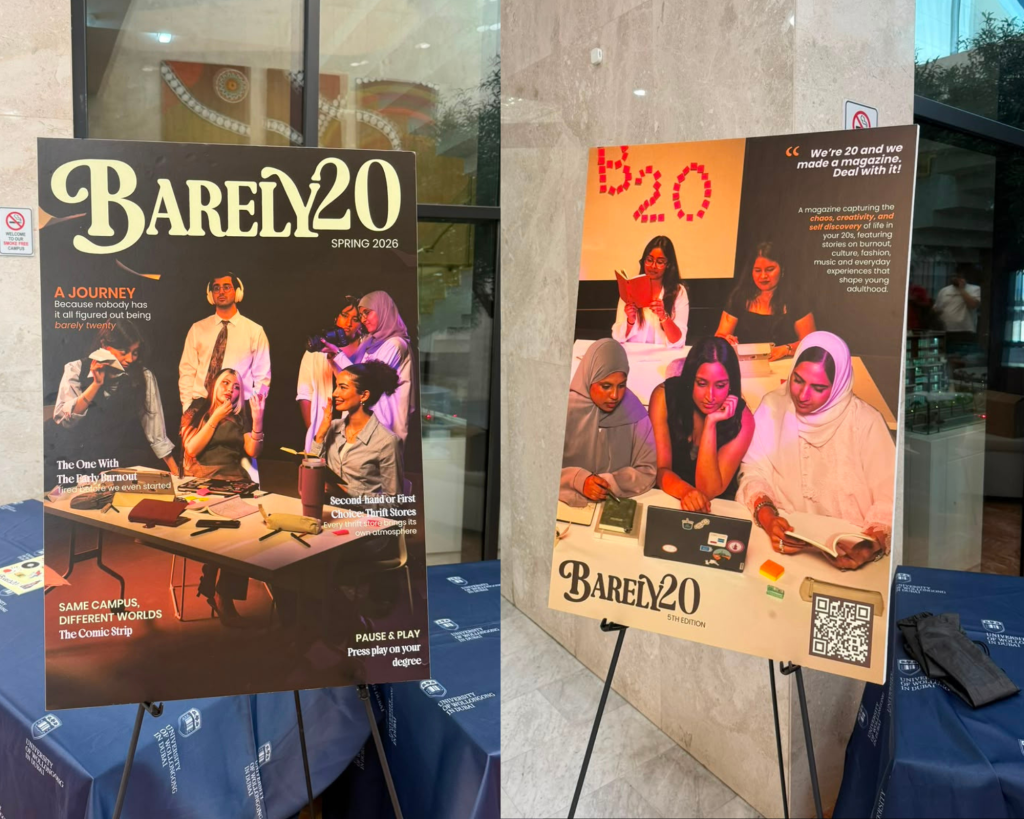
Throughout the BCM program, collaboration became an expected part of almost every project I completed. Whether collaborating on podcasts, producing an individual micro-drama or leading the production of a student magazine, each experience reshaped my understanding of working with others in a different way. What I did not realise however, was that collaboration alone does not guarantee a successful creative outcome. It was only during the production of Barely 20 in BCM303 that I began to understand the difference between participating in collaboration and leading it.
Although I entered BCM303 with previous leadership experience through the Creators Society, I quickly realised that leading one of the largest collaborative media projects in the BCM program required a different approach. The leadership skills I had developed through organising events and managing teams provided a valuable foundation, but magazine production demanded greater adaptability, continuous communication, creative negotiation and the ability to balance diverse perspectives while maintaining a shared vision. More importantly, it challenged my assumptions about leadership. I came to realise that effective leadership was not about directing people or making every decision but about creating an environment where others could contribute their best work.
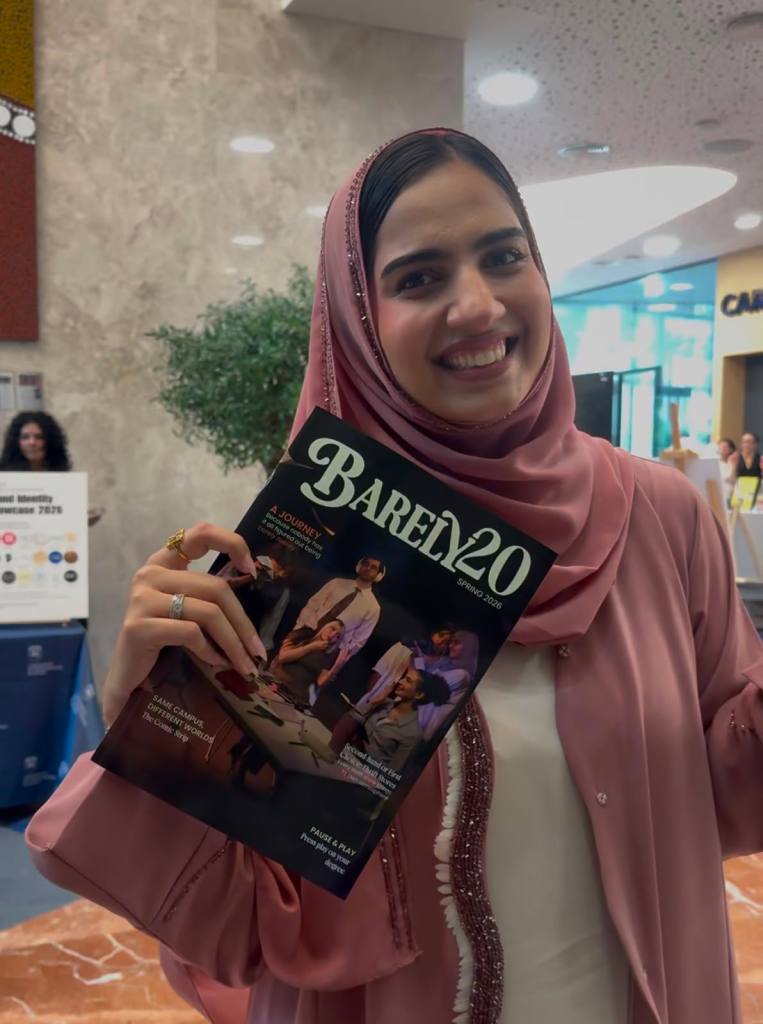
Drawing on my experiences throughout the BCM program, particularly my role within the leadership team for Barely 20, this essay critically examines how my understanding of leadership evolved across increasingly complex collaborative projects. By engaging with academic literature on leadership, collaboration, communication, creativity and conflict management, I argue that effective leadership in collaborative media production is not defined by authority alone, but by the ability to bring people, ideas and creative processes together towards a shared creative outcome.
Rethinking Leadership
Leadership is often associated with authority, decision-making, and the ability to guide others towards a shared objective. However, within collaborative media production, leadership extends far beyond assigning responsibilities or making final decisions. Northouse (2025) describes leadership as a process of influencing a group towards a common goal through relationships and shared purpose rather than authority alone. Similarly, Du et al. (2021) argue that effective leadership in the creative industries fosters collaboration, supports innovation and creates an environment where diverse ideas can develop collectively. Together, these perspectives suggest that successful leadership is not about controlling creative work but about creating the conditions that allow collaboration to thrive.
Before beginning BCM303, I believed I had a strong understanding of leadership. Having progressed through different leadership roles within the Creators Society, from Media Executive to President, I entered the Barely 20 project expecting many of the same leadership approaches to apply. In many ways they did. I had always believed in involving my team, encouraging everyone to contribute ideas and making decisions collaboratively rather than independently. However, Barely 20 challenged my assumption that leadership could simply be transferred from one environment to another. Unlike organising student events where objectives and responsibilities were often clearly defined, leading a collaborative magazine required constant adaptability. Every article, design and editorial concept reflected different creative perspectives, and each group interpreted the magazine’s identity in its own way.
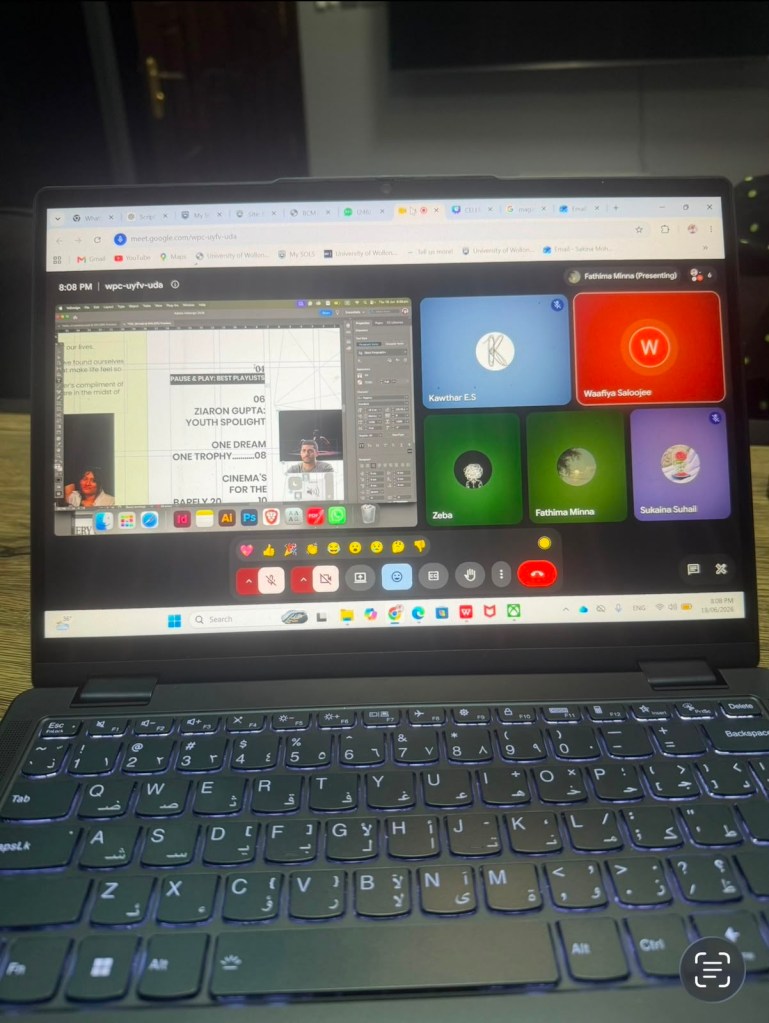
This became particularly evident during our weekly review sessions. Rather than deciding which ideas were right or wrong, the leadership team’s role was to facilitate discussions, provide constructive feedback and help each group refine its work while ensuring the magazine maintained a consistent identity. At the same time, I was responsible for approaching potential advertisers and representing the magazine to external organisations. This required a different type of leadership one built on professional communication, relationship management and balancing the magazine’s creative vision with practical considerations. These responsibilities showed me that leadership in collaborative media production extends beyond coordinating people it also involves creating opportunities that strengthen the project as a whole.
Looking back, BCM303 did not change the values that shaped my leadership, but it significantly changed how I applied them. I realised that effective leadership is not about having the strongest ideas or making every decision myself. Instead, it requires adapting to different situations, knowing when to guide conversations, when to encourage diverse perspectives, and when to step back so others can take ownership of their work. More than anything, this experience taught me that adaptability is one of the most important qualities of an effective leader because no two collaborative environments require the same approach. Ultimately, I came to understand that the role of a leader is not to stand at the centre of the creative process, but to create an environment where people feel supported, valued and able to produce their best work together.
Communication Beyond Coordination
One of the strongest leadership qualities I developed before BCM303 was communication. Through my experience in the Creators Society, I had already learned the importance of listening to different perspectives, maintaining open communication with my team and ensuring everyone felt included in the decision-making process. Whether I was working with executive members, students, academic staff or external organisations, I always believed leadership was most effective when people felt their ideas were genuinely valued rather than simply being told what to do. Caputo et al. (2024) argue that effective leadership depends on communication that builds trust and strengthens collaboration while Thornhill-Miller et al. (2023) describe communication as one of the most important professional skills for collaborative creative environments. My previous leadership experiences reflected these ideas, but BCM303 challenged me to apply them within a much larger and more complex production.
Throughout the production of Barely 20, communication became far more than simply updating progress or assigning responsibilities. As part of the leadership team, Jhanvi, Malavika, and I worked closely with different groups to provide feedback on written content, while the design leaders focused on supporting the visual direction of the magazine. Our goal was never to rewrite students’ work or make creative decisions on their behalf. Instead, we approached feedback as a discussion, listening to each group’s reasoning, offering suggestions and helping them strengthen their ideas while preserving their individual voices. I have always believed that leadership is about working alongside people rather than above them so it was important to me that every group felt included in the conversation rather than directed by it.
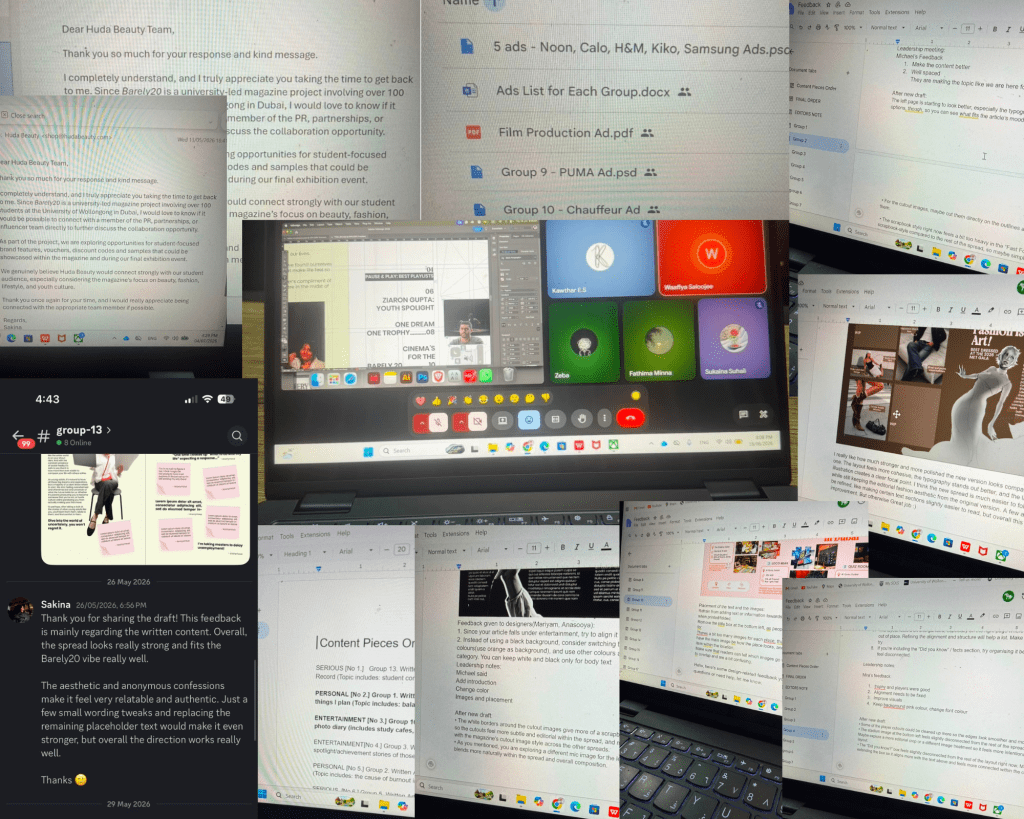
Despite this approach, there were occasions when some groups interpreted our feedback as criticism or felt we were dictating creative decisions. At the same time there were instances where feedback discussed during review sessions was not reflected in later drafts. Initially, I found this frustrating, but it encouraged me to reflect on communication in a different way. I realised that effective communication is not simply about sharing ideas it is also about ensuring that people understand the purpose behind those ideas while still feeling respected and trusted. These experiences reinforced that leadership communication is not a one-way process but an ongoing conversation built on listening, trust and mutual understanding.
Our communication also continued behind the scenes. After each round of reviews, the leadership team met to discuss the overall progress of the magazine, combining feedback from content, design and production to refine the final publication. These discussions reminded me that collaboration exists at multiple levels. It was not only happening between leaders and students but also within the leadership team itself, where different perspectives had to come together before any final decisions were made.
Creativity Through Collaboration
One of the biggest assumptions I had throughout my degree was that creativity was driven by individual ideas. Working on different projects gradually challenged this perspective, but BCM303 reinforced it more than any previous subject. Oham and Ejike (2024) argue that creativity within the creative industries is strengthened through collaboration because diverse perspectives encourage innovation and more effective problem-solving. Similarly, Barrett et al. (2021) argue that creative collaboration develops through the continuous exchange of ideas, knowledge and expertise, allowing individuals to build on one another’s strengths rather than relying solely on individual creativity. This perspective closely reflected my own experience throughout the BCM program, where some of the strongest creative outcomes emerged through discussion, feedback and shared problem-solving.
Earlier in my degree, producing The Eden Project podcast introduced me to creative collaboration within a small production team. Working together meant every decision was shaped through discussion, whether it involved developing ideas, structuring episodes or dividing production responsibilities. Although our team was much smaller than the one involved in Barely 20, the experience demonstrated that creative outcomes improved when different perspectives were encouraged rather than overlooked. It was one of the first projects that showed me collaboration was not about compromising creativity but about strengthening it.
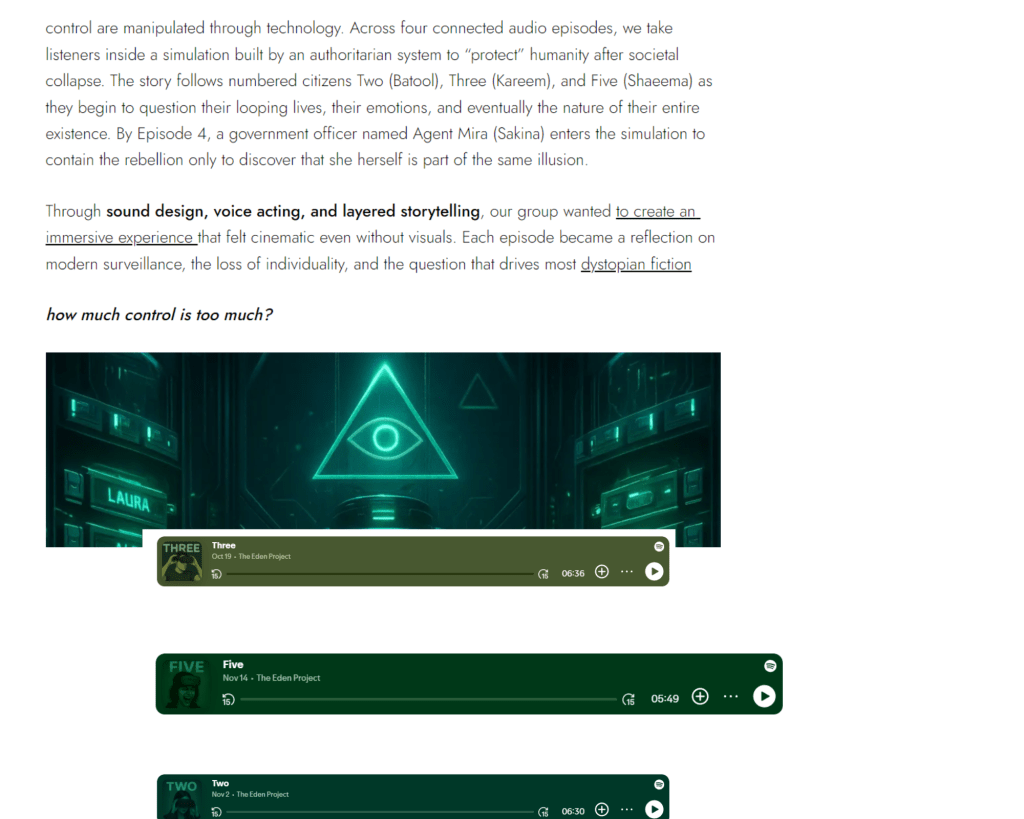
This understanding became even clearer when I later produced The Seen, an individual micro-drama. Unlike previous group projects, every creative decision rested solely with me, from developing the narrative to planning the visual style. While this gave me complete creative freedom, it also highlighted something I had not fully appreciated before. Without other perspectives to challenge my ideas or offer alternative solutions, creative decision-making became more limited. Comparing this experience with Barely 20 reinforced that collaboration does not reduce creativity when managed effectively, it expands it. Bringing together writers, designers, editors, photographers and the leadership team created opportunities for ideas to evolve beyond what any individual contributor could have achieved alone.

Looking back, I realised that effective leadership and creativity are closely connected. Leadership was not about controlling every creative decision but about creating an environment where creativity could develop collectively. Rather than limiting creative expression, structure, communication and shared purpose provided the foundation that allowed individual ideas to become part of a stronger and more cohesive final publication.
Beyond the Classroom Preparing for the Creative Industries
Looking back across the BCM program, I realise that each collaborative project prepared me for a different aspect of working in the creative industries. Early projects introduced me to working within small teams, sharing responsibilities and learning how different perspectives could strengthen creative outcomes. Later projects challenged me to balance independent creativity with collaboration, while BCM303 brought those experiences together on a much larger scale. Working on Barely 20 required not only collaboration within the leadership team but also communication with students, academic staff and external organisations. Reaching out to potential advertisers, following up professionally and representing the magazine outside the classroom reminded me that creative production extends far beyond producing good content. It also involves building relationships, managing expectations and communicating with confidence in professional environments.
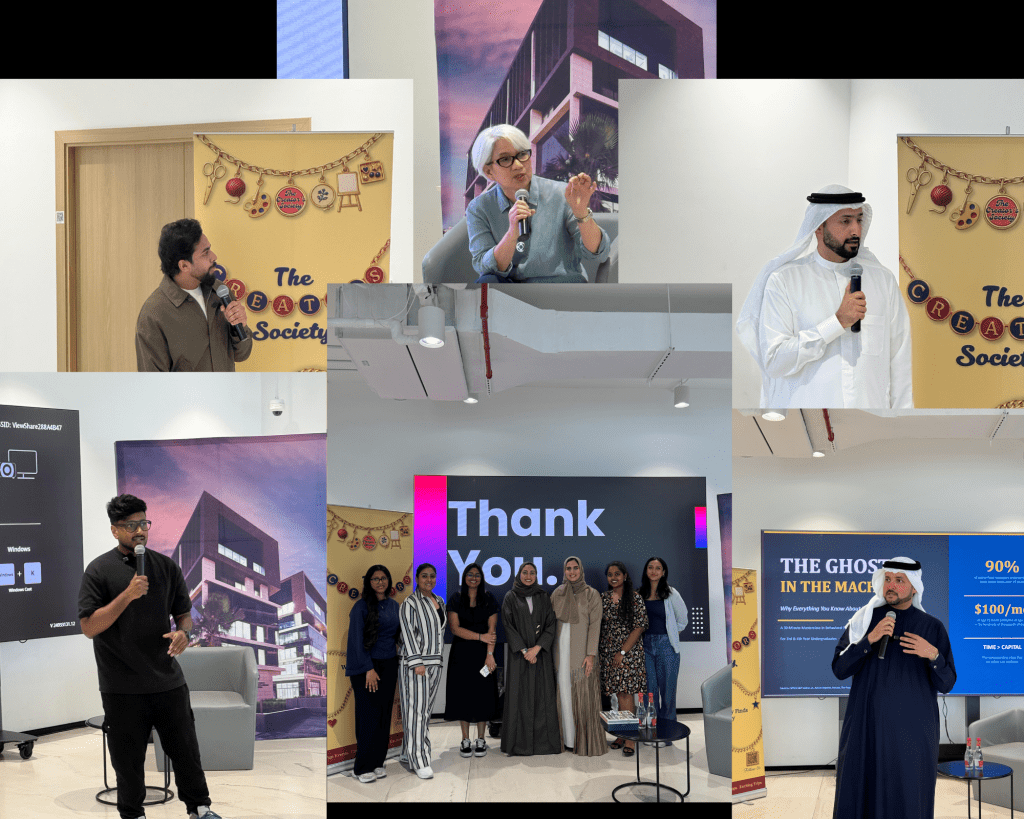
Reflecting on these experiences, I have come to understand that the creative industries are built on far more than creativity alone. Successful media production depends on people with different skills, ideas and perspectives working towards a shared outcome. Throughout the BCM program, I learned that leadership, communication, collaboration and adaptability are not isolated skills but qualities that constantly overlap in practice. More importantly, I realised that no creative project is ever completed by one individual. Every successful outcome is shaped by the relationships built throughout the process, making collaboration not simply a university assessment requirement but a professional skill that will continue to shape my career beyond graduation.
Conclusion
Looking back, my understanding of leadership has developed far beyond what I expected when I first began the BCM program. I once viewed collaboration as simply working alongside others towards a shared goal. However, the experiences I gained throughout my degree particularly through producing Barely 20 showed me that successful collaboration depends on much more than bringing people together. It requires leadership that is adaptable, communication that builds trust, and a willingness to create an environment where different ideas can be shared, challenged and refined without losing their individual value.
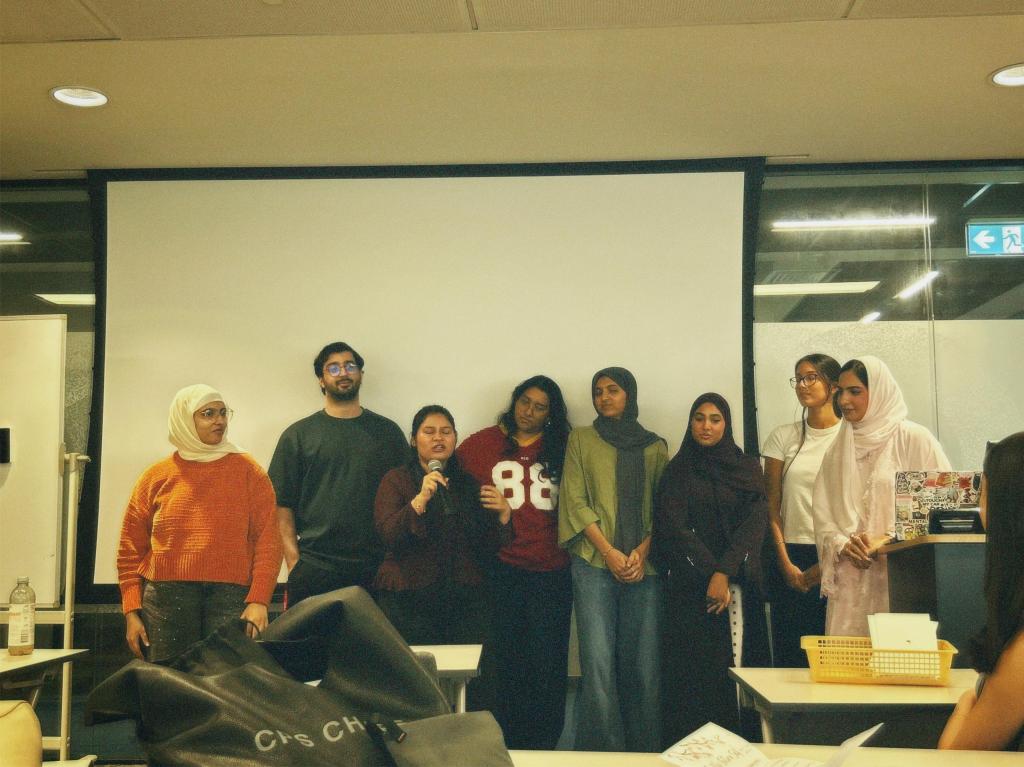
Rather than teaching me one specific leadership style, the BCM program demonstrated that effective leadership is shaped by context. The skills I developed through leading the Creators Society provided a valuable foundation, but BCM303 challenged me to apply those skills differently within a collaborative media production environment. It reinforced that leadership is not about having the final say or being the most creative person in the room. Instead, it is about recognising the strengths of others, encouraging meaningful collaboration and helping individual contributions become part of a stronger collective outcome.
As I prepare to enter the creative industries, I will take more than technical or production skills with me. I leave with a deeper appreciation for the value of collaboration, adaptability and communication and an understanding that the most successful creative work is rarely the result of one individual. More often, it is the outcome of people who trust one another, share a common vision and are willing to grow together throughout the creative process.
References
Caputo, Andrea, et al. “Leadership in face-to-face and virtual teams: A systematic literature review on hybrid teams management.” Informing Science 27 (2024): 1-25.
Badriyah, Nurul, et al. “The role of constructive conflict management in fostering team collaboration and innovation: A perspective of transformational leadership.” Journal of Contemporary Administration and Management (ADMAN) 2.1 (2024): 402-408.
Du, Xiaomin, et al. “Creativity and leadership in the creative industry: a study from the perspective of social norms.” Frontiers in Psychology 12 (2021): 651817.
Northouse, Peter G. Leadership: Theory and practice. Sage publications, 2025.
Oham, Chinweizu, and Onyinye Gift Ejike. “Creativity and collaboration in creative industries: Proposing a conceptual model for enhanced team dynamics.” Magna Scientia Advanced Research and Reviews 12.1 (2024): 185-188.
Barrett, Margaret S., Andrea Creech, and Katie Zhukov. “Creative collaboration and collaborative creativity: A systematic literature review.” Frontiers in psychology 12 (2021): 713445.
 A portfolio of media, stories & student work